
How to Win an Award at the International Content Marketing Awards (ICMA26)
Every awards season, there’s one question that comes up more than any other: what actually makes a winning entry?
The truth is, there’s no magic formula to winning entries. Some entrants seem to perform well year after year, while others make the shortlist, or even win on their very first attempt.
The International Content Marketing Awards celebrates work from across the globe, from household brands to smaller specialist teams, and every winning submission looks slightly different.
But after years of judging and reviewing entries, there are some consistent themes that separate good entries from great ones.
Whether you’re entering for the first time or looking to improve on previous submissions, here are some of the biggest lessons from past winners and judges ahead of ICMA26.
Start with the full picture
The strongest entries don’t just showcase beautiful work - they tell the complete story.
That means clearly explaining:
The challenge (brief)
What your team created (the solution)
Measurable impact (results)
Judges want to understand why the work mattered, not just what was produced.
One common misconception is that awards are won purely on budget or scale. While judges do often see the budgets, they’re always considered in context. Bigger budgets are not automatically rewarded, and smaller teams are not automatically given bonus points either.
What matters most is how effectively the work answered the brief.
A concise, well-evidenced case study will almost always outperform something that feels overly polished but lacks substance. One judge from last year described the entries as “thought-provoking, inspiring and creative in more ways than one”, adding that the strength of the work made choosing the top three “significantly difficult”.
“The best entries combined creative ambition with clear audience impact”
Build Your Case Study Before You Start Writing
One of the most valuable things entrants can do is begin gathering evidence long before the entry deadline arrives.
The best submissions are rarely written in a rush. Instead, successful teams tend to build their case study gradually:
tracking results throughout the campaign
collecting performance data
gathering client feedback
saving imagery and video assets
documenting creative decisions along the way
Judges also want to experience the work, not just read about it. Strong visual examples help bring the entry to life and give context to the written submission.
This is especially important in categories where creativity and brand alignment are being assessed. Don’t just show the final output, explain why the content worked for that audience and how it reflected the brand.
Avoid the “Copy and Paste” Trap
We see many of our entrants submit work across multiple categories, and that’s absolutely encouraged. But one of the biggest mistakes judges regularly notice is when entries feel duplicated.
An entry for Best Financial Content should not read exactly the same as one for Best B2B Content Campaign.
Even if the work overlaps, each category has different criteria and weightings. Judges are scoring against those specific requirements, so submissions should be tailored accordingly.
In the past, judges have flagged entries that appear to emphasise areas that aren’t even being scored within that category, which is often a sign that the same copy has simply been reused.
Before submitting, take time to review:
the category criteria
the weighting system
and whether your entry is truly answering the brief
The more tailored the submission feels, the stronger it usually performs.
Fresh eyes make for better entries
Another consistent trait among winning entries? They’re rarely written in isolation.
One successful approach used by teams is to set up a “red team vs blue team” process, where one group writes the submission and another reviews or scores it as if they were judges.
This approach helps identify:
unclear sections
weak evidence
jargon-heavy language
or assumptions that judges may not understand
Fresh eyes are incredibly valuable. That said, there’s also a balance to strike. Too many contributors can dilute the clarity of the submission and lead to “writing by committee.”
The strongest entries usually have:
one clear voice
a focused narrative
and a structured review process
Don’t Rush the Process
For first-time entrants especially, award writing can feel overwhelming.
But many long-time entrants say the same thing: the process becomes far more manageable once you stop treating it like a last-minute task.
Teams that consistently produce strong entries often start early and build the submission over time. That removes pressure and allows space for reflection.
And most importantly, enjoy the process.
A well-written awards entry becomes more than just a submission. It becomes a record of the work your team created together.
Whether you go on to win, earn a shortlist spot, or simply complete the process for the first time, you should be able to look back at the case study and feel proud of what was achieved.
Winning at the International Content Marketing Awards can have an impact far beyond the trophy itself. One previous winner described being recognised on a global stage as energising both their internal team and their clients’, helping strengthen relationships and build momentum for future creative work.
“Being recognised on a global stage energised not just our internal team, but our clients’ as well.”
Storytelling Matters - But Clarity Matters More
There’s no doubt that storytelling plays a role in a successful submission.
Judges want to understand the problem or challenge faced, the thinking behind the work and the impact it created.
But this doesn’t mean writing lengthy, overly dramatic entries.
ICMA judges are experienced content marketing professionals from a wide range of sectors. They understand the limitations of word counts and tight submission formats.
What they’re really looking for is concise, confident storytelling that explains the value of the work clearly and positively.
The best entries tend to combine:
strong narrative
clear strategic thinking
measurable outcomes that link to the brief
Why ICMA26 Could Be the Biggest Year Yet
ICMA26 is shaping up to be another huge year for the global content marketing community.
In 2025 alone, the awards saw participation from more than 30 countries, with winners coming from:
Finland
Thailand
Australia
South Africa
the USA
Norway
and many more
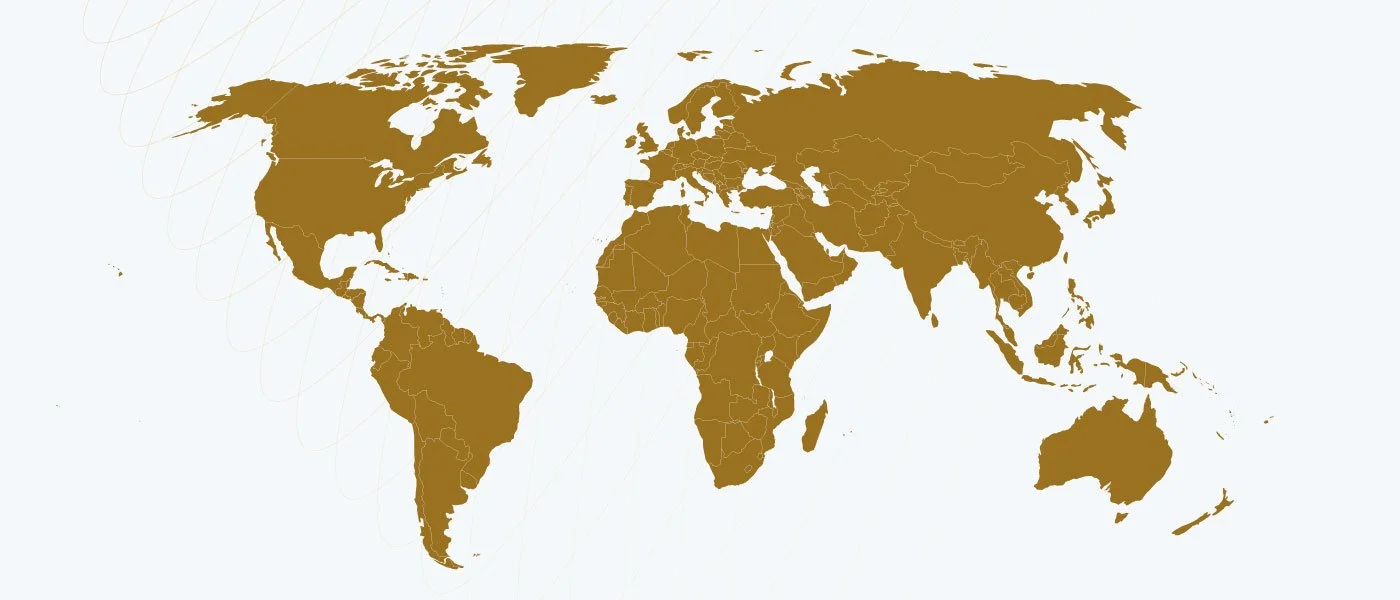
This isn’t about finding the best content in one region or market.
The International Content Marketing Awards exists to celebrate exceptional work from across the world - regardless of team size, geography or budget.
And that’s what makes the competition so exciting. The best award entries aren’t necessarily the flashiest.
They’re the ones that:
answer the brief clearly
demonstrate impact
show the thinking behind the work
and tell a compelling story without overcomplicating it
So start early, build your case study properly, tailor your categories carefully, and most importantly, give yourselves the chance to showcase work your team is proud of.
We can’t wait to see what’s entered into ICMA26.