What can you learn from a podcast that generated tens of millions in sales?
When ZOE launched its podcast in 2022, few could have predicted quite how commercially important it would become.
Four years later, the ZOE Science & Nutrition podcast is one of the most listened-to branded shows in the world and one of the company’s biggest sales channels—generating tens of millions in revenue. The show became so valuable to the business that ZOE went on to acquire the agency behind it.
At the upcoming Content Marketing Summit, brand podcast expert and Lower Street founder Harry Morton will be joined by Rich Willan, who built and ran the podcast from its inception, to unpack how it happened, and what other brands can learn from its success.
Ahead of their session, we asked Harry where marketers tend to go wrong, whether brands really need a large audience to succeed and what matters more than simply getting people to listen.
Podcasting is rarely an overnight success
One of the biggest misconceptions about podcasting is that a show can be launched, find its audience and begin delivering results almost immediately.
“The most common mistake I see is expecting podcasting to be a viral medium,” Harry explains. “It takes time to build an audience and to see meaningful ROI from a show. Podcasting rewards commitment and consistency.”
That can make podcasts a difficult proposition for marketers under pressure to demonstrate an immediate return. But treating a podcast as a short-term campaign risks overlooking what makes the medium so powerful: the opportunity to build an ongoing relationship with an audience.
Success is less likely to come from one breakout episode than from repeatedly creating something people actively choose to spend time with.
Serve the audience first and the brand second
Commitment alone, however, will not make a podcast successful. Brands also need to be honest about why someone would choose to listen.
“If audiences have anything today, it’s choice,” says Harry. “Why should they choose to listen to your podcast over another brand or creator?”
Too often, he argues, the answer is simply a repackaged version of the brand’s existing agenda. The episodes may cover the organisation’s preferred subjects and support its marketing priorities but give the listener little they could not find elsewhere.
“You earn the right to your market’s attention by serving them first and the brand second.”
That does not mean forgetting the commercial purpose behind the podcast. It means recognising that the commercial outcome is earned by creating something genuinely useful, entertaining or distinctive for the people the brand wants to reach.
Most branded podcasts are too interchangeable
There is another obstacle facing any new podcast: a market already filled with interview-led shows following much the same format.
“Most podcasts are interview chat shows and completely interchangeable,” Harry says. “To succeed, you need the creative bravery to do something different.”
Differentiation cannot simply come from adding a recognisable host or inviting well-known guests. It needs to be built into the idea, format and production of the show.
For marketers considering launching a podcast, the uncomfortable but necessary question is not only whether the brand has something to say, it is whether it can create something audiences cannot already get from hundreds of other shows.
A smaller audience can still produce a significant return
The scale of ZOE’s audience is undeniably impressive, but Harry cautions against assuming that every successful branded podcast needs to attract similarly large numbers.
It depends on what the business is trying to achieve.
“If your metric of success is simply reach, then a big existing audience—or the budget to buy one—is certainly a major advantage,” he explains. “But if what matters is influence, trust or affinity within a defined network, reach is far less of a factor.”
For some brands, reaching a relatively small but highly relevant group can be significantly more valuable than attracting thousands of casual listeners.
Harry has seen client podcasts reach modest audiences in absolute terms while still producing a substantial return. The important point is that those listeners are the people who matter to the business and that they engage deeply with the content.
Creating something distinctive that resonates with the right customer profile can therefore be far more powerful than pursuing scale for its own sake.
What would ZOE do differently today?
The podcast landscape has changed considerably since ZOE launched its show in 2022. Competition has increased, audience habits have evolved and brands now have more channels through which to distribute and promote their content.
So, if the team were starting again in 2026, what would they do differently?
Harry is leaving that question to Rich—the person who was there from the beginning—to answer at the Summit.
Together, they will explore how a small team and a documented process built one of the world’s leading branded podcasts; how the show grew; what its measurement and attribution looked like; and which parts of the ZOE approach remain relevant to brands launching today.
Most importantly, they will help marketers answer the question that comes before all the others:
Should we launch a podcast at all?
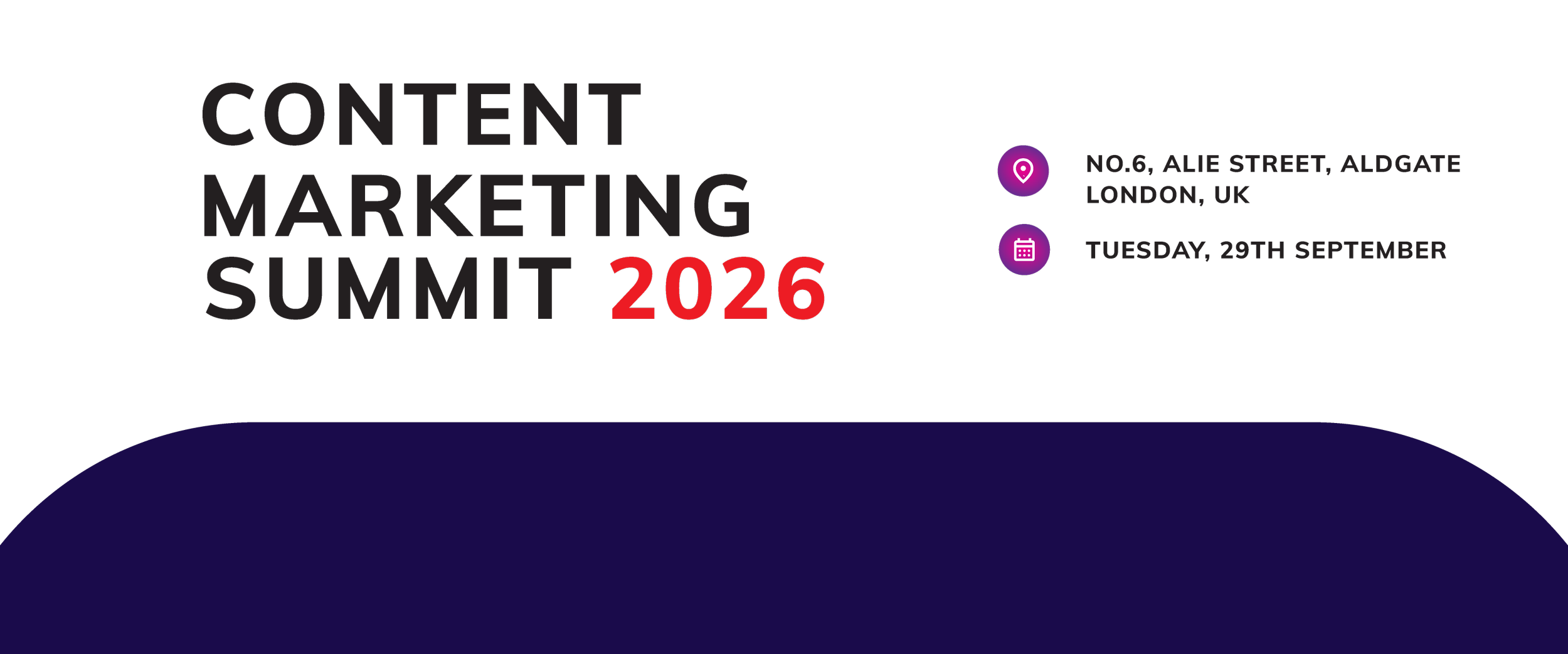
Join Harry Morton and Rich Willan at the Content Marketing Summit on 29 September at Events @ No.6 in London to hear the full story and discover what doing branded podcasting properly actually looks like.