
Human Craft in the Age of AI: Beyond the Algorithmic Baseline
CMA Asia Event | 25th June 2026 · The Working Capitol, Singapore
I had the pleasure of hosting our biggest turnout yet in Singapore, and by the time we got to the Q&A, the session overran — in the best way. Nobody was checking the time. That’s usually a sign you’ve picked the right question to put in front of a room.
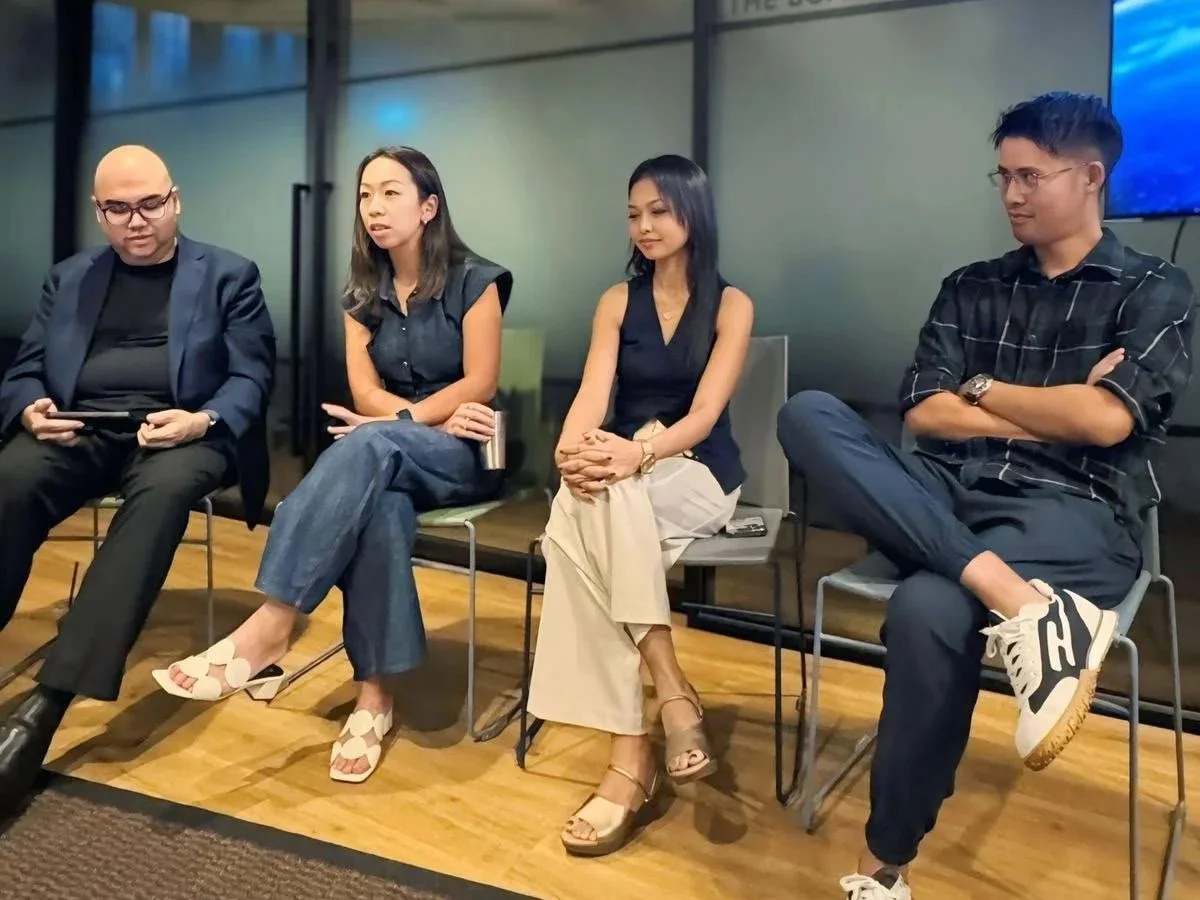
And the question our moderator, Joe Sen, put to this panel was deliberately uncomfortable: when AI becomes the baseline — when it’s not a tool you reach for but simply the floor everyone’s starting from — what does human craft become?
We didn’t get there by debating whether AI is coming for our jobs. That conversation has been done to death across this industry, and honestly, it was never the right one to have. The more useful question is what’s left once the algorithmic baseline becomes the same for everyone.
Speed is no longer the differentiator
A point that came up early, and kept resurfacing in different forms throughout the night: speed used to be a competitive edge. It isn’t anymore. When every agency, every brand, every in-house team has access to the same models producing the same “good enough” output, speed is just table stakes.
So what is the differentiator? The panel kept arriving at the same conclusion: taste. Judgment. The willingness to take a creative bet that a model, optimising for consensus, never would. Po Kay Lee put it plainly: AI can enhance the work, but the panel was unanimous that it can’t be trusted to lead it. The line between the two is exactly where the craft now lives.
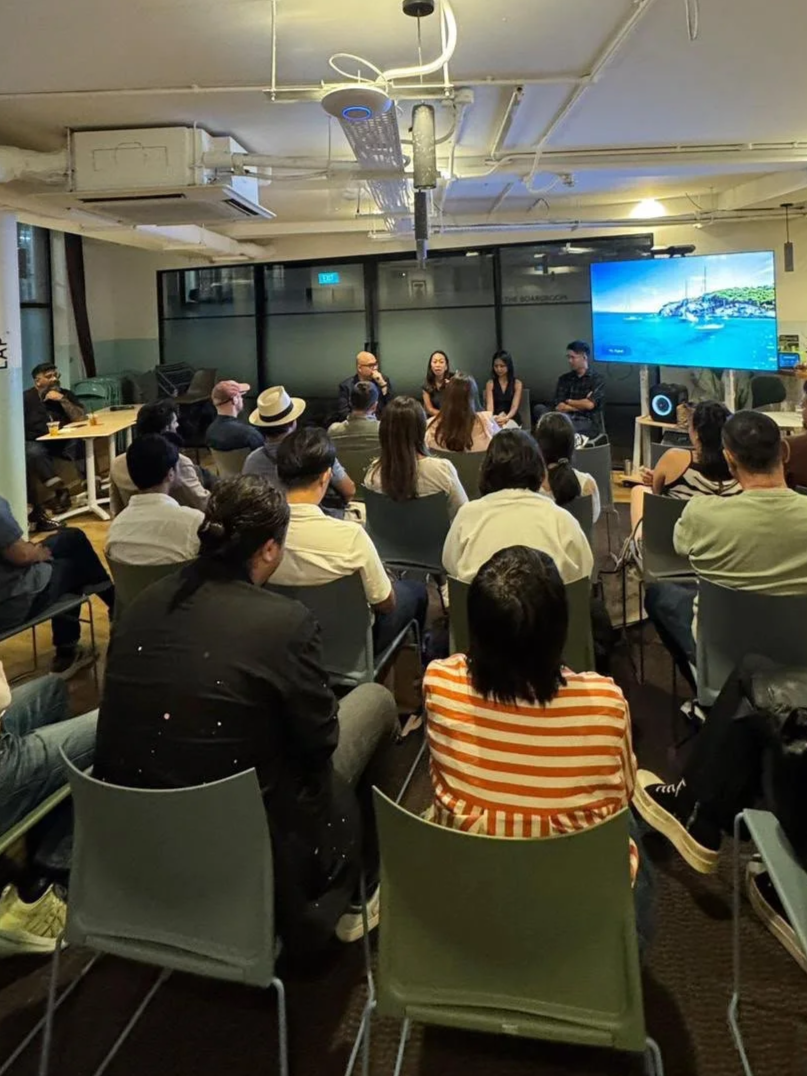
Augmentation versus authorship
Chin Han Yu (Lem), who’s spent the last few years building AI-powered production tools at Uncanny, brought the builder’s perspective — and it cut against the easy narrative. Clients don’t actually want AI to do everything. There’s a persistent set of decisions they still want a human hand on, and knowing where that line sits — and orchestrating AI well around it — is its own emerging craft.
Sofy Rahman extended this into partnership and commercial work, which doesn’t get talked about enough in these conversations. Reading a room, knowing which deal is genuinely win-win versus one that just looks that way on paper — that’s craft too, and it’s being reshaped by AI in ways that are easy to miss if you’re only thinking about creative output.
The apprenticeship problem
The sharpest turn of the evening, for me, was the panel’s discussion of what we might call the apprenticeship problem. If AI absorbs the groundwork — the grunt work that used to be how junior talent built instincts — how does the next generation develop judgment, taste, and creative confidence at all?
This isn’t a someday problem. It’s already happening. The panel was candid that this might require us to deliberately design around it, rather than assuming AI adoption and talent development will sort themselves out naturally.
What the room added
Some of the best material came from the floor, not the stage. One audience comparison stuck with several people in the days after: AI is like the calculator. It became available to everyone, but not everyone became a CFO. The tool is universal. What you do with it isn’t.
Another thread that ran through the post-event conversation: AI’s relationship to creativity has more in common with how hip-hop emerged than many people assume — borrowing, blending, building on what already exists to produce something new. But generating an output isn’t the same as creating value. The value still sits in the human judgment behind it: what to ask for, what to keep, what to refine, and ultimately what you’re willing to put your name on.
Where this leaves us
Nobody on the panel — or in the room — pretended this gets resolved in one evening. But the shape of the answer is becoming clearer: the bar for execution has moved permanently, and the premium left to sell is curatorial. Taste. The eye for what’s relevant to real people — something a model can imitate, but can never originate from lived experience.
That’s the conversation CMA Asia exists to keep having — not the one everyone’s already exhausted, but the harder one underneath it.
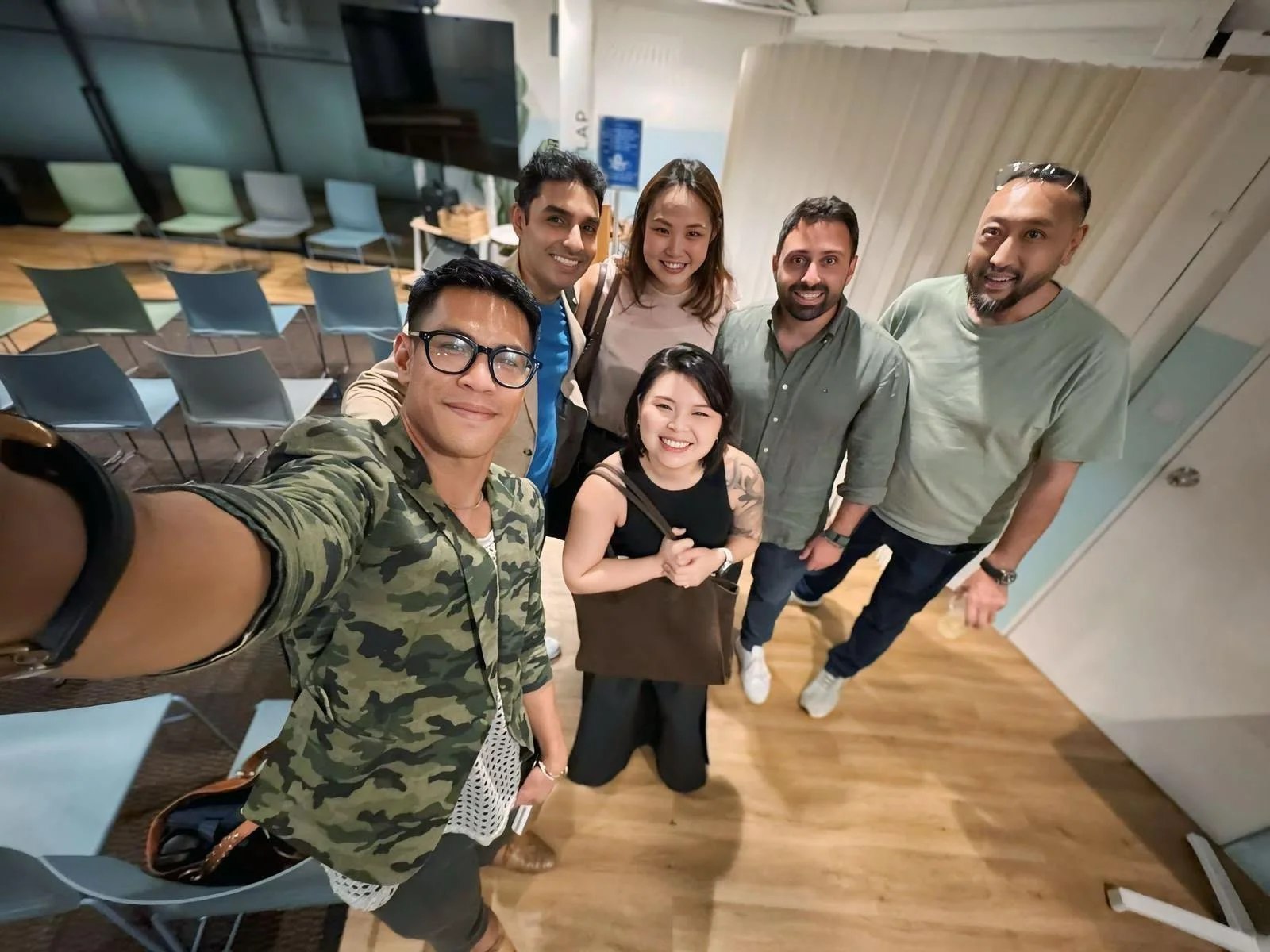
Thank you to Joe Sen for moderating with real precision, to Chin Han Yu, Po Kay Lee, and Sofy Rahman for bringing perspectives shaped by doing the work rather than commentating on it, to The Working Capitol for hosting us, and to Taj for getting the room ready on the night. And to everyone who showed up, asked sharp questions, and stayed well past the clock — that’s what makes these evenings worth running.
More CMA Asia sessions ahead. If this event is the bar, the next one has work to do.
by Andy Edmonds
Andy is a creative leader and operator passionate about building brands, growing businesses and shaping the future of modern marketing. Currently leading MSQ Partners across Asia, he brings extensive experience spanning brand, content, creative production and business leadership. Based in Singapore, he also leads the Content Marketing Association Asia, bringing together the industry’s brightest minds to drive better conversations around content, creativity and innovation across the region.
